


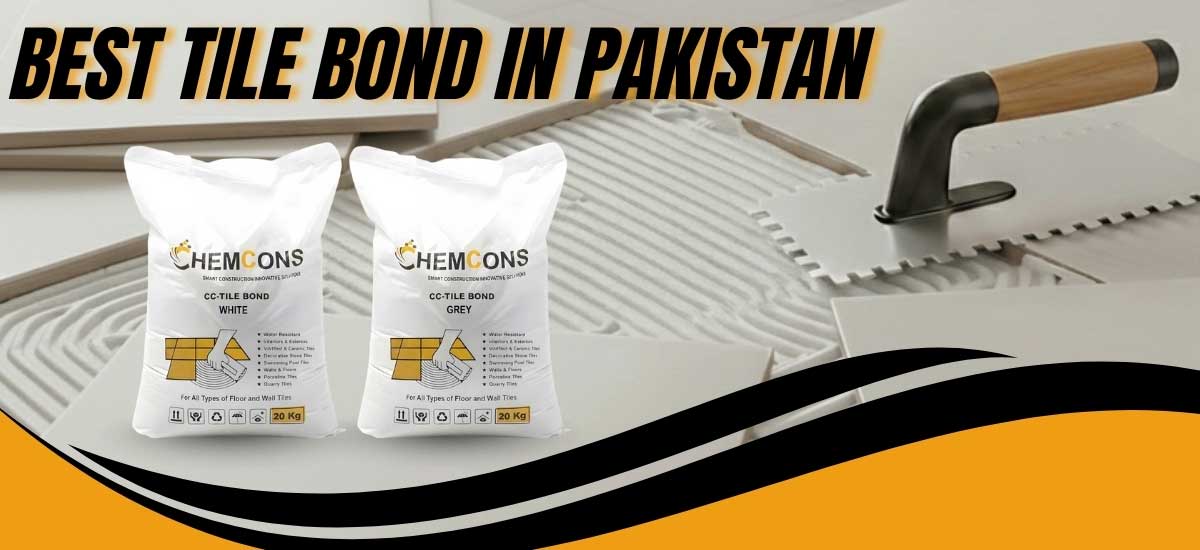
When it comes to durable and long-lasting tiling solutions, Best Tile Bond in Pakistan is a go-to choice for homeowners, contractors, and builders in Pakistan. Whether you are installing ceramic, vitrified, or natural stone tiles, using the right adhesive ensures a strong, long-lasting bond. In this article, we’ll explore what tile bond is, why it’s important, how to use it effectively, which are the best tile bonds available in Pakistan, and answer common questions people ask.
What is Tile Bond?
Tile Bond is a high-performance adhesive specially formulated for fixing tiles on walls, floors, and other surfaces. It comes in powder or ready-to-use paste form and creates a strong bond between tiles and the underlying surface.
Modern tile bonds are usually made of cement, polymers, and additives that provide:
-
High adhesion strength
-
Resistance to water and moisture
-
Flexibility to handle surface movements
-
Durability for heavy-duty applications
Why Use Tile Bond?
Using tile bond instead of traditional cement-sand mortar has several advantages:
-
Strong Adhesion: Sticks tiles firmly, even on uneven surfaces.
-
Waterproofing Benefits: Ideal for bathrooms, kitchens, and terraces.
-
Quick Installation: Reduces setting time for faster projects.
-
Durability: Prevents tiles from cracking or loosening over time.
-
Versatility: Works for ceramic, vitrified, natural stone, and mosaic tiles.
How to Use Tile Bond
Applying tile bond is simple if you follow the correct steps:
-
Prepare the Surface: Clean the floor or wall surface. Remove dust, grease, and loose particles.
-
Mix the Tile Bond: If it’s a powder, mix it with clean water according to the instructions.
-
Apply the Adhesive: Use a notched trowel to spread the tile bond evenly.
-
Fix the Tiles: Press tiles firmly into the adhesive. Use spacers for uniform gaps.
-
Grouting: After the adhesive sets, fill the gaps with grout.
-
Curing: Allow proper setting before walking or exposure to water.
Best Tile Bonds Available in Pakistan
People Also Ask About Tile Bond
1. Can Tile Bond Be Used on Old Surfaces?
Yes! High-quality tile bonds like CC Tile Bond can be applied on old concrete, cement plaster, or brick walls. Make sure the surface is clean and free of loose particles.
2. Is Tile Bond Waterproof?
Most modern tile bonds are water-resistant, making them ideal for wet areas such as bathrooms, kitchens, and terraces.
3. Can Tile Bond Be Used Outdoors?
Yes, but ensure you use weather-resistant and polymer-modified tile adhesive for outdoor tiling to prevent cracking due to temperature changes.
4. How Long Does Tile Bond Take to Set?
Depending on the product, tile bond usually sets in 24 to 48 hours, but full strength may take up to 7 days. Always check manufacturer instructions.
5. Can I Use Tile Bond for Heavy Tiles?
Yes, for heavy tiles like marble, granite, or large vitrified tiles, use a high-strength polymer-modified tile adhesive for better support.
6. How Much Tile Bond Do I Need?
On average, 1 kg of tile bond covers 1 m² for standard 6–8 mm thickness, but coverage depends on tile size and surface type.
7. Is Tile Bond Better Than Traditional Cement?
Yes! Tile bond provides stronger adhesion, waterproofing, and flexibility, which traditional cement-sand mixtures often lack.