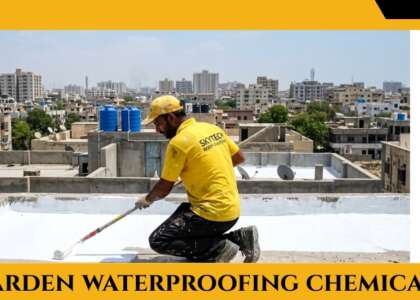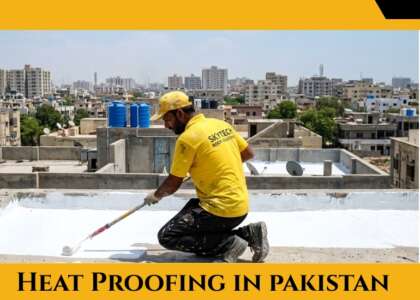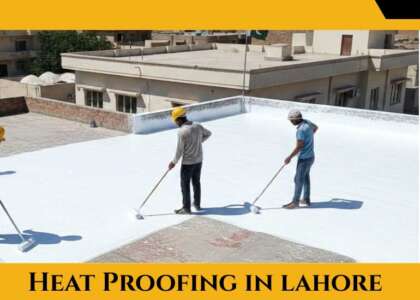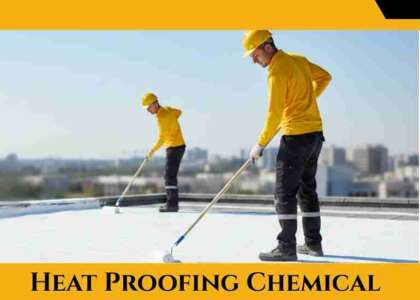


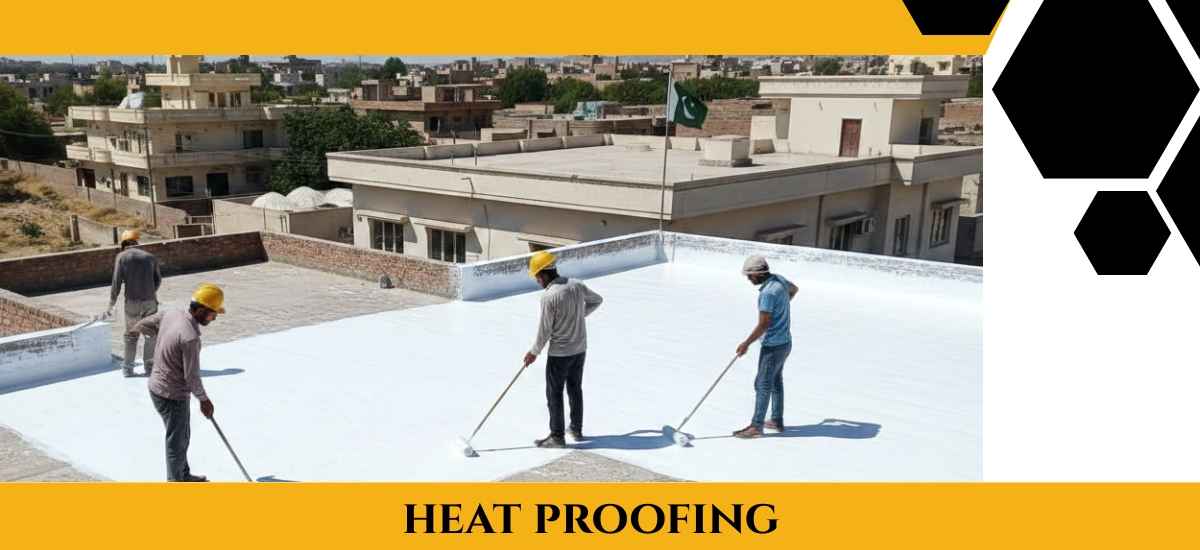
Heat proofing has become an essential requirement in modern construction, particularly in regions where extreme temperatures significantly impact indoor comfort, structural durability, and energy consumption. In countries with long summers and intense sunlight, buildings absorb a tremendous amount of heat, leading to uncomfortable living conditions and excessive reliance on cooling systems. Heat proofing addresses these challenges by reducing heat penetration, stabilizing indoor temperatures, and improving overall building performance.
This article provides a comprehensive exploration of heat proofing, its principles, benefits, applications, techniques, and long-term value for residential, commercial, and industrial structures.
Understanding Heat and Buildings
To understand heat proofing, it is first important to understand how heat interacts with buildings. Heat transfer occurs primarily through three mechanisms:
Conduction – Heat travels through solid materials such as concrete, brick, steel, and tiles.
Convection – Heat moves through air circulation and temperature differences.
Radiation – Heat energy is transferred from sunlight and hot surfaces.
Buildings exposed to continuous sunlight, especially roofs and external walls, gradually accumulate heat. Traditional construction materials, while strong and durable, often possess high thermal conductivity. This means they readily absorb and transfer heat indoors.
As a result, indoor temperatures rise significantly, even if outdoor temperatures slightly decrease during the evening.
What is Heat Proofing?
Heat proofing refers to a collection of techniques and protective systems designed to reduce heat absorption and minimize heat transfer into a building. It involves applying specialized layers, treatments, or construction strategies that reflect sunlight, resist thermal gain, and improve insulation performance.
Unlike cooling systems, which remove heat after it has entered the structure, heat proofing works proactively by preventing excessive heat from entering in the first place.
This distinction is critical.
Cooling devices consume energy continuously. Heat proofing reduces the need for excessive cooling.
Why Heat Proofing is Important
1. Indoor Comfort
One of the most immediate benefits of heat proofing is improved indoor comfort. Buildings without proper heat protection can become unbearably hot, particularly during peak summer months.
Heat proofing stabilizes interior temperatures, creating a more pleasant living and working environment.
2. Energy Efficiency
Excessive heat gain leads to higher electricity usage due to air conditioning, fans, and cooling appliances. Heat proofing significantly reduces this burden.
Lower heat penetration means:
-
Reduced cooling requirements
-
Lower electricity bills
-
Decreased strain on energy systems
3. Structural Protection
Heat is not merely a comfort issue. Prolonged exposure to high temperatures can degrade construction materials.
Common problems include:
-
Surface cracks
-
Expansion stress
-
Waterproofing failures
-
Premature aging
Heat proofing adds a protective barrier that shields structural surfaces from thermal damage.
4. Sustainability
Reducing energy consumption directly contributes to environmental sustainability. Buildings that require less cooling generate lower carbon emissions.
Heat proofing supports eco-friendly construction practices.
How Buildings Gain Heat
Buildings gain heat primarily through:
Direct Sun Exposure – Roofs receive the most intense solar radiation.
Thermal Storage – Concrete and masonry absorb heat during the day and release it at night.
Air Infiltration – Hot outdoor air enters through gaps and openings.
Internal Sources – Appliances, lighting, and occupants generate heat.
Roofs often account for the largest percentage of heat entry because they are directly exposed to sunlight for extended periods.
Heat Proofing vs Traditional Insulation
While heat proofing and insulation are related, they are not identical.
Insulation slows down heat transfer.
Heat Proofing reduces heat absorption and reflection.
Insulation focuses on thermal resistance. Heat proofing emphasizes heat rejection.
When combined, these systems deliver superior performance.
Major Areas Requiring Heat Proofing
Roofs
Roofs are the most critical surfaces for heat protection. Continuous solar exposure turns roofs into major heat collectors.
Heat proofing solutions for roofs aim to:
-
Reflect sunlight
-
Reduce surface temperature
-
Prevent thermal stress
External Walls
Walls exposed to afternoon sunlight accumulate heat that migrates indoors.
Heat proofing reduces wall temperature fluctuations and stabilizes indoor conditions.
Terraces and Slabs
Terraces, balconies, and exposed slabs benefit from heat protective layers that prevent heat accumulation.
Industrial Structures
Factories and warehouses often suffer from severe heat buildup due to large exposed surfaces.
Heat proofing improves working conditions and reduces equipment stress.
Core Principles of Heat Proofing
Effective heat proofing relies on several scientific principles:
Reflection
Surfaces designed to reflect solar radiation prevent heat absorption. Lighter surfaces typically reflect more sunlight.
Emissivity Control
Some surfaces release absorbed heat quickly, preventing long-term heat storage.
Thermal Resistance
Heat proofing layers reduce the speed of heat movement through building components.
Surface Temperature Reduction
Lower surface temperatures translate directly into lower indoor heat gain.
Common Heat Proofing Techniques
1. Reflective Surface Treatments
Reflective layers reduce solar heat absorption by bouncing sunlight away from the building.
Benefits include:
-
Reduced roof temperature
-
Immediate comfort improvement
-
Lower thermal stress
2. Thermal Protective Layers
Protective coatings or membranes create barriers that resist heat penetration.
These systems:
-
Reduce heat conduction
-
Improve durability
-
Protect underlying surfaces
3. Insulating Fill Systems
Lightweight insulating materials reduce heat transfer through slabs and roofs.
They provide:
-
Thermal resistance
-
Structural load reduction
-
Improved energy efficiency
4. Double Layer Construction
Air gaps between layers reduce heat transfer.
This technique is common in:
-
Roof assemblies
-
Wall systems
5. Shading Strategies
Architectural shading reduces direct solar exposure.
Examples:
-
Overhangs
-
Screens
-
Vegetation
Benefits of Heat Proofing Systems
Reduced Indoor Temperature
One of the most noticeable results is cooler interior spaces.
Energy Savings
Buildings consume less electricity for cooling.
Improved Durability
Heat stress on surfaces decreases significantly.
Enhanced Comfort
Living and working conditions improve.
Cost Efficiency Over Time
While initial investment exists, long-term savings outweigh costs.
Heat Proofing for Residential Buildings
Homes in warm climates often experience:
-
Hot bedrooms
-
Overheated upper floors
-
Uncomfortable terraces
Heat proofing transforms indoor comfort by reducing heat gain through roofs and walls.
Homeowners benefit from:
-
Better sleep conditions
-
Lower utility expenses
-
Increased property value
Heat Proofing for Commercial Buildings
Commercial spaces require consistent indoor environments for occupants, equipment, and operations.
heat-resistant supports:
-
Stable working conditions
-
Reduced cooling load
-
Better customer comfort
Heat Proofing for Industrial Facilities
Industrial environments generate internal heat from machinery, processes, and lighting.
Without heat protection, indoor temperatures can become hazardous.
heat-resistant provides:
-
Improved worker productivity
-
Reduced cooling dependency
-
Equipment longevity
Long-Term Value of Heat Proofing
heat-resistant is not merely a seasonal solution.
It provides:
-
Year-round performance
-
Structural preservation
-
Energy efficiency gains
Over time, buildings with proper heat protection demonstrate superior durability.
Common Heat Problems in Buildings
Thermal Cracking
Repeated heating and cooling cycles cause expansion stress.
Surface Deterioration
Heat accelerates material degradation.
Increased Cooling Load
Higher heat gain means greater energy demand.
Occupant Discomfort
Extreme indoor temperatures affect health and productivity.
Factors Influencing Heat Proofing Performance
Climate Conditions
Solar intensity, humidity, and ambient temperature affect system efficiency.
Building Orientation
Surfaces facing direct sunlight require stronger protection.
Surface Material
Different materials absorb heat differently.
Installation Quality
Proper application determines long-term success.
Maintenance of Heat Proofing Systems
heat-resistant systems require minimal but essential maintenance:
-
Periodic inspections
-
Surface cleaning
-
Minor repairs
Regular care ensures prolonged effectiveness.
Misconceptions About Heat Proofing
“Fans are enough.”
Fans circulate air but do not reduce heat gain.
“Only roofs matter.”
Walls, slabs, and windows also contribute.
“Heat proofing is temporary.”
Proper systems offer long-term protection.
Economic Impact of Heat Proofing
heat-resistant reduces:
-
Energy expenses
-
Maintenance costs
-
Structural repair frequency
It represents a strategic investment rather than an expense.
Heat Proofing and Energy Efficiency
Modern construction increasingly prioritizes energy performance. heat-resistant plays a central role in reducing cooling demands.
Energy-efficient buildings:
-
Use less electricity
-
Provide better comfort
-
Offer higher resale value
Designing Buildings with Heat Protection
Architectural planning significantly influences thermal performance.
Key considerations include:
-
Material selection
-
Surface finishes
-
Shading integration
-
Ventilation design
heat-resistant complements intelligent design strategies.
Heat Proofing in Urban Environments
Urban areas often experience elevated temperatures due to heat accumulation from concrete surfaces and limited vegetation.
heat-resistant mitigates urban heat challenges by reducing building heat absorption.
Environmental Benefits
Reducing energy consumption leads to:
-
Lower emissions
-
Reduced environmental stress
-
Sustainable development
The Future of Heat Protection
As temperatures continue rising globally, heat protection will become a standard component of construction rather than an optional upgrade.
Buildings designed for thermal efficiency will dominate future construction practices.