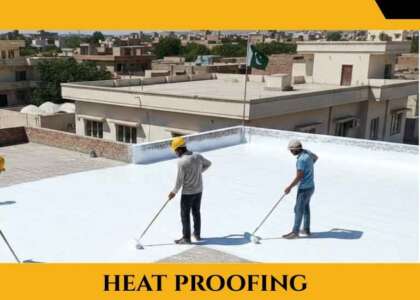

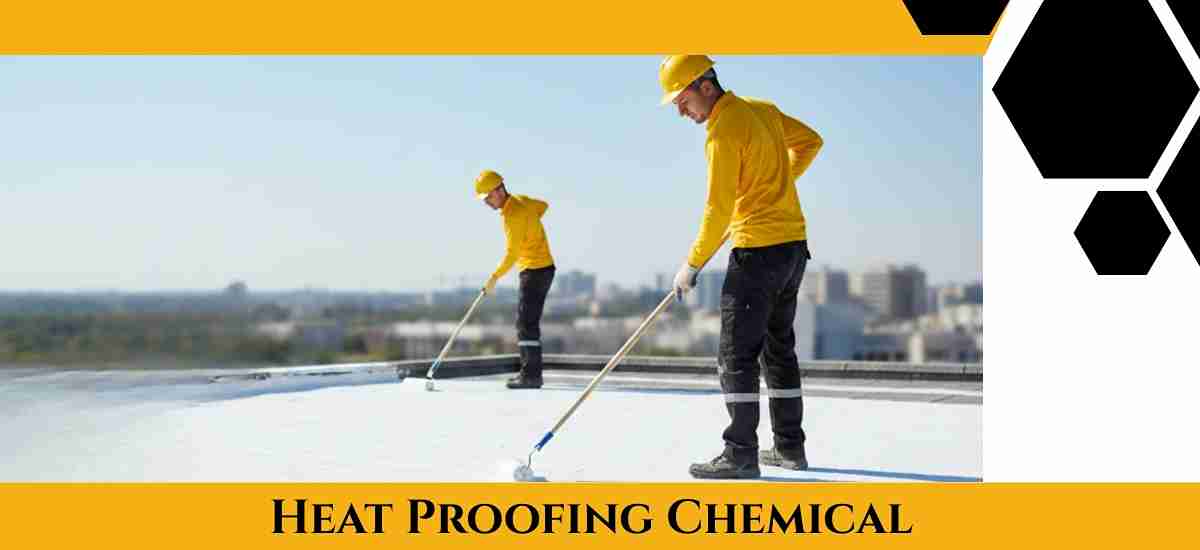
In Pakistan’s diverse climate, ranging from scorching summers in Karachi to intense heat waves in Lahore, maintaining comfortable indoor temperatures is more than a luxury—it’s a necessity. Buildings exposed to extreme sunlight and heat suffer from higher cooling costs, material degradation, and reduced occupant comfort. To address these challenges, heat proofing chemical have emerged as one of the most effective solutions.
Chemcons Heatproofing Chemical Manufacture, a leading manufacturer in Pakistan, offers high-quality heatproofing chemicals designed for durability, efficiency, and long-lasting thermal protection. Their products are tailored for residential, commercial, and industrial applications across the country.
This comprehensive guide explores the types, applications, benefits, and practical use of Chemcons heatproofing chemicals, emphasizing their importance in Pakistan’s climate conditions.
1. Understanding Heat Proofing Chemicals
Heat proofing chemical are specialized coatings and materials applied to building surfaces to reduce heat absorption and transfer. By reflecting or insulating against sunlight, these chemicals protect structures from thermal stress and create more comfortable indoor conditions.
Heat proofing is especially critical in Pakistan due to:
-
High summer temperatures exceeding 40°C in major cities
-
Growing urban heat islands in large cities
-
Increased electricity consumption for cooling
-
Structural damage from prolonged sun exposure
Chemcons heatproofing chemicals are manufactured to resist extreme weather conditions while enhancing energy efficiency and reducing cooling costs.
2. Importance of Heat Proofing in Pakistan
The need for heatproofing in Pakistan is driven by environmental, economic, and structural factors:
Climate Challenges
Cities like Karachi, with its coastal humidity, and Lahore, with extreme summer heat, require advanced heatproofing solutions. Roofs and walls exposed to direct sunlight without protection can experience cracking, discoloration, and accelerated aging.
Energy Efficiency
Heatproofing chemicals significantly reduce indoor heat gain. Buildings coated with Chemcons heatproofing chemicals see a drop of 30–40% in air conditioning energy consumption, leading to lower electricity bills and reduced environmental impact.
Structural Protection
Prolonged exposure to extreme temperatures causes thermal expansion and contraction in construction materials. Heatproofing chemicals protect roofs, terraces, and walls, preventing cracks, leaks, and structural damage.
Comfortable Indoor Environment
Applying heatproofing coatings ensures that indoor spaces remain cooler and more comfortable, even during peak summer months.
3. Types of Chemcons Chemical
Chemcons manufactures several types of heatproofing chemicals suitable for various applications. Each type offers unique advantages depending on the building structure, climate, and surface material.
Acrylic-Based Heatproof Coatings
Acrylic-based coatings are widely used due to their excellent reflective properties and durability. They are applied to concrete, masonry, and metal surfaces.
Key Features:
-
High UV resistance prevents fading and cracking
-
Water-resistant properties for dual protection
-
Flexible and adherent on diverse surfaces
-
Economical and easy to apply
Polyurethane Spray Coatings
Polyurethane-based coatings are ideal for industrial and commercial structures. They form a seamless, insulating layer that reduces heat transfer efficiently.
Key Features:
-
Superior thermal insulation
-
Long-lasting and weather-resistant
-
Suitable for large surface areas such as rooftops and warehouses
-
Easy application using spray equipment
Silicone-Based Heatproof Chemical
Silicone coatings provide excellent elasticity, UV resistance, and reflectivity. These coatings are perfect for rooftops exposed to direct sunlight.
Key Features:
-
Prevents cracking and peeling
-
Highly reflective, reducing heat absorption
-
Resistant to aging and extreme weather conditions
Nano-Reflective Heatproof Coatings
Nano-technology heatproofing chemical represent the latest advancement in thermal insulation. These coatings reflect infrared radiation while allowing natural light penetration.
Key Features:
-
Energy-efficient, reducing cooling costs
-
Long-lasting performance with minimal maintenance
-
Ideal for modern architectural designs and terraces
4. Applications of Chemcons Heat Proofing Chemical
Residential Buildings
For homes, heatproofing chemicals are applied to rooftops, terraces, and external walls. Benefits include:
-
Lower indoor temperatures
-
Reduced electricity consumption
-
Increased lifespan of building materials
Commercial Buildings
Shopping malls, offices, and hotels benefit from heatproofing chemicals due to:
-
Reduced cooling costs
-
Improved energy efficiency
-
Enhanced comfort for occupants and customers
Industrial Applications
Factories, warehouses, and industrial plants often face high operational temperatures. Heatproofing chemicals protect machinery, reduce indoor heat, and create safer working environments.
5. Surface Preparation and Application Methods
Surface Preparation
Proper surface preparation ensures maximum adhesion and effectiveness of heatproofing chemicals:
-
Remove dust, debris, and loose particles
-
Repair cracks, holes, and surface defects
-
Ensure the surface is completely dry
Application Methods
-
Brush or Roller: Suitable for small residential surfaces
-
Spray Application: Ideal for large rooftops and commercial buildings
-
Polyurethane Foam Layering: Provides heavy-duty insulation for industrial structures
Maintenance
-
Inspect coated surfaces every 6–12 months
-
Reapply coatings on high-exposure areas for optimal performance
-
Avoid mechanical damage to coated surfaces
6. Benefits of Chemcons Chemicals
-
Energy Savings: Reduces indoor heat gain, lowering electricity bills
-
Durability: Protects roofs and walls from thermal stress
-
Environmental Impact: Lowers energy consumption, reducing carbon emissions
-
Comfort: Maintains cooler indoor temperatures
-
Cost-Effective: One-time application saves long-term energy costs
7. Heatproofing Solutions for Pakistani Cities
Karachi, Lahore, Islamabad, Rawalpindi, Faisalabad, Multan, Peshawar, Quetta, Sialkot, Gujranwala, Hyderabad deliver in all over Pakistan
8. Chemcons: Leading Manufacturer of Heatproofing Chemical
Quality Assurance
Chemcons produces heatproofing chemicals under strict quality control standards:
-
Tested for thermal insulation efficiency and UV resistance
-
Durable against extreme weather conditions
-
Certified safe for residential, commercial, and industrial use
Customer Satisfaction
-
Nationwide delivery across Pakistan
-
Expert guidance on chemical selection and application
-
After-sales support for maintenance and reapplication
9. Technical Insights into Chemcons Heatproofing Chemical
Thermal Reflectivity
Chemcons chemicals are engineered to reflect maximum solar radiation, reducing surface temperature and indoor heat gain.
Adhesion and Durability
High-performance bonding ensures coatings remain intact under extreme heat, rain, and humidity.
Environmental Safety
Chemcons formulations are eco-friendly, non-toxic, and safe for humans and animals, making them suitable for residential applications.
Cost-Effectiveness
Investment in Chemcons heatproofing chemicals reduces long-term electricity costs while protecting building infrastructure.
10. Industry Trends and Market Relevance in Pakistan
-
Rising energy costs are increasing demand for heatproofing chemicals
-
Urban expansion in Karachi, Lahore, Islamabad, and other cities fuels construction projects
-
Adoption of eco-friendly and energy-efficient materials in modern buildings
-
Government initiatives encourage energy-saving solutions in construction
11. Future of Heat Proofing Chemical in Pakistan
With Pakistan’s climate becoming hotter and more unpredictable, the need for heatproofing chemicals will continue to grow. Future developments include:
-
Advanced nano-technology coatings for higher reflectivity
-
Integration with green building projects
-
Greater focus on sustainable and eco-friendly materials
-
Widespread adoption in residential, commercial, and industrial construction
12. Tips for Choosing the Right Heatproofing Chemical
-
Determine the type of surface (concrete, metal, masonry)
-
Consider the local climate (humidity, heat, UV exposure)
-
Evaluate the durability and thermal insulation requirements
-
Consult with experts from Chemcons for professional guidance
13. DIY vs Professional Application
-
DIY Application: Suitable for small residential surfaces using brushes or rollers
-
Professional Application: Recommended for large rooftops, industrial buildings, and complex structures for uniform coating and maximum efficiency